
Bathroom Ceiling Mould Removal London
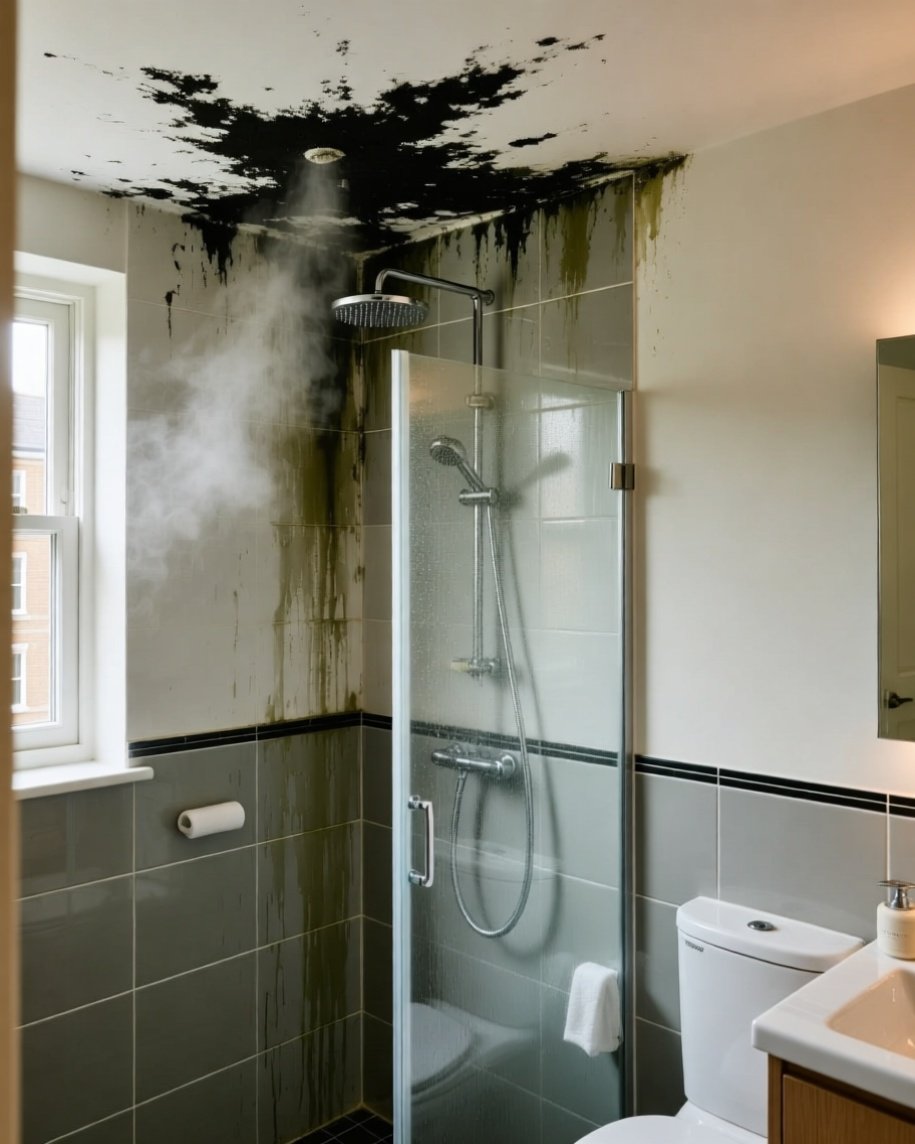
Bathroom ceiling mould is one of the most common signs of ongoing condensation and trapped moisture inside London homes and flats. At Black Mould On Walls, we safely remove black mould from bathroom ceilings, identify the underlying moisture source, and help prevent the problem from returning. Our team works across bathrooms affected by poor ventilation, steam build-up, leaking pipework, and long-term damp exposure.
- Safe removal of black mould on bathroom ceilings
- Condensation and moisture source investigations included
- Treatment for paint damage, staining, and recurring mould growth
Why Choose Black Mould on Walls?
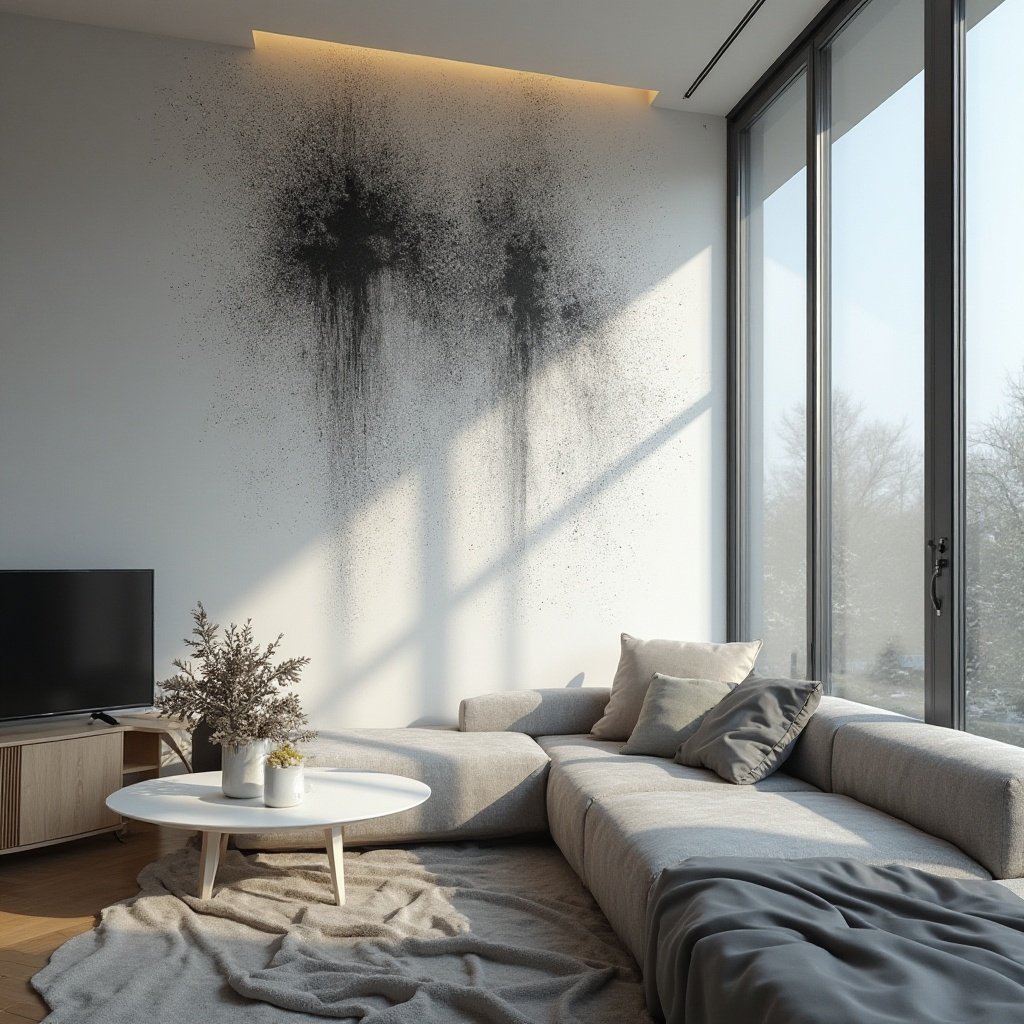
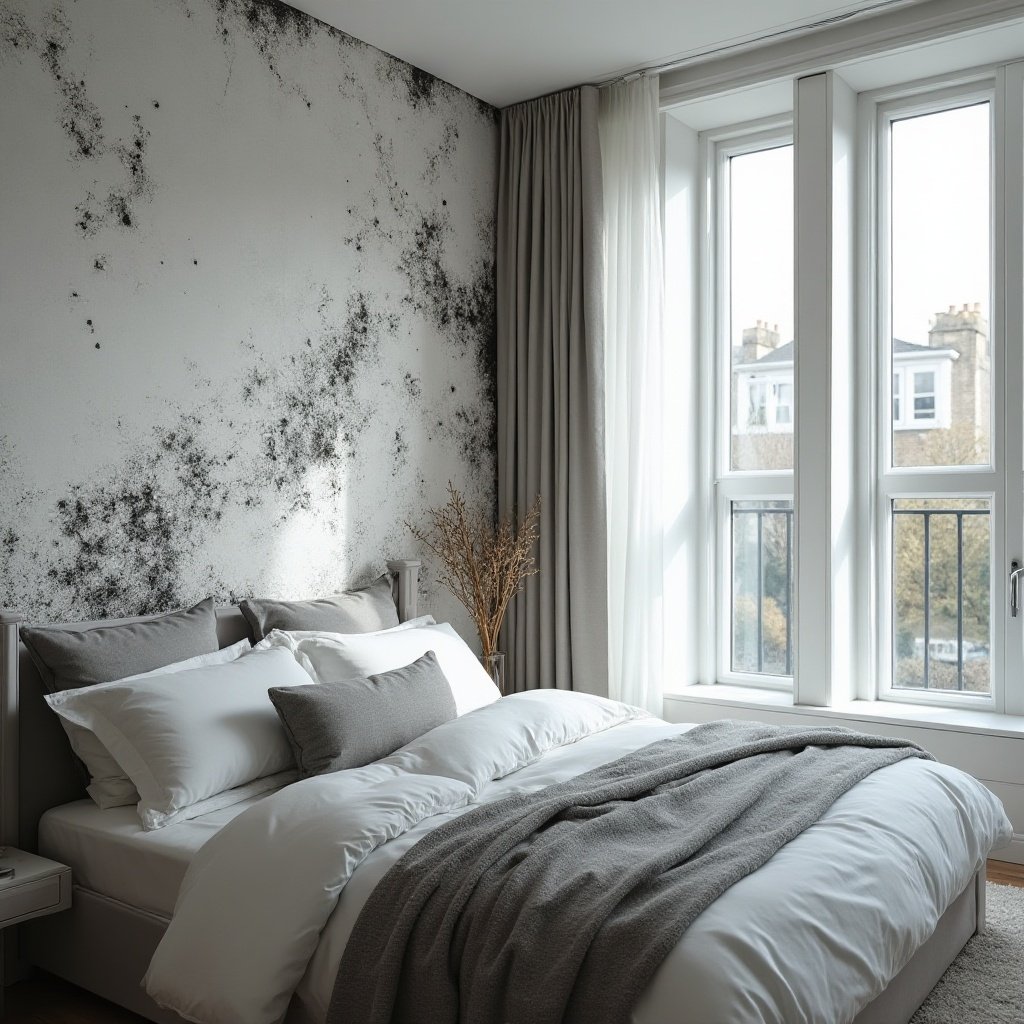
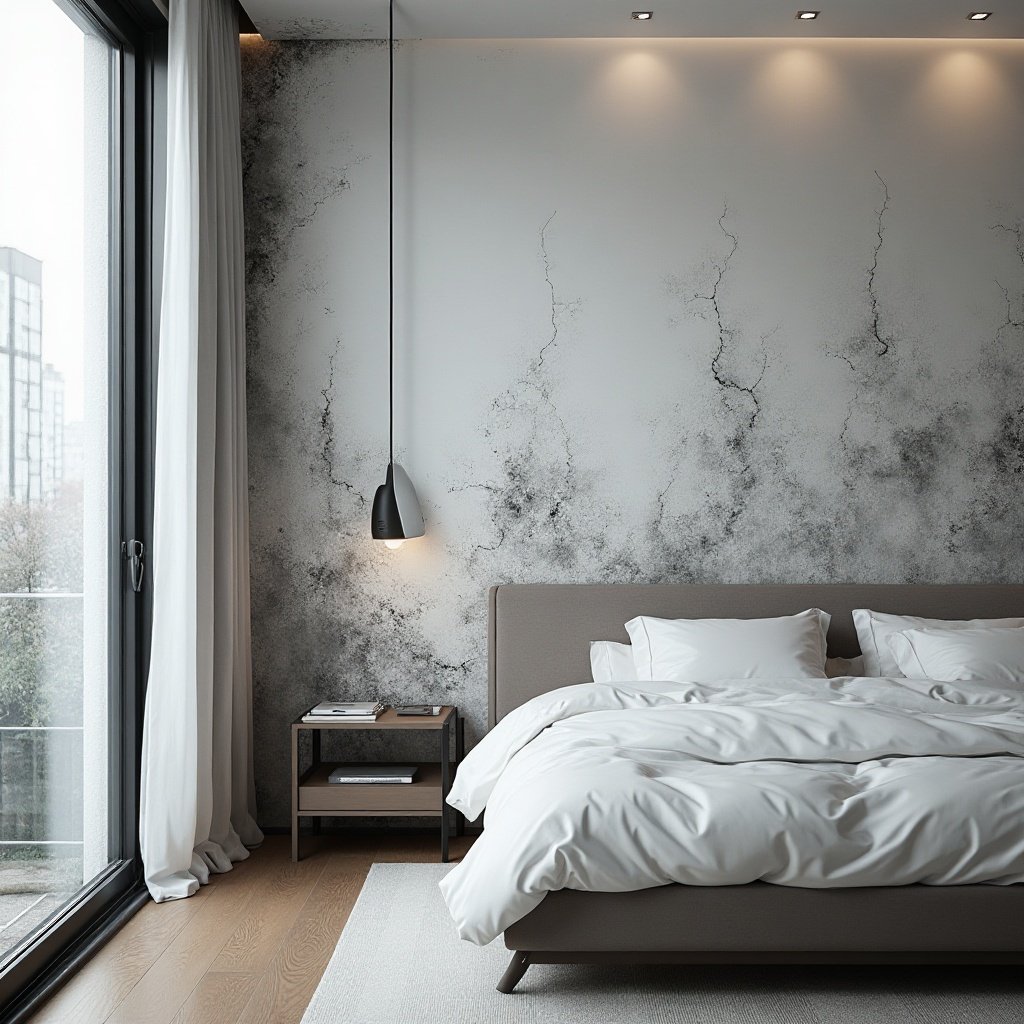
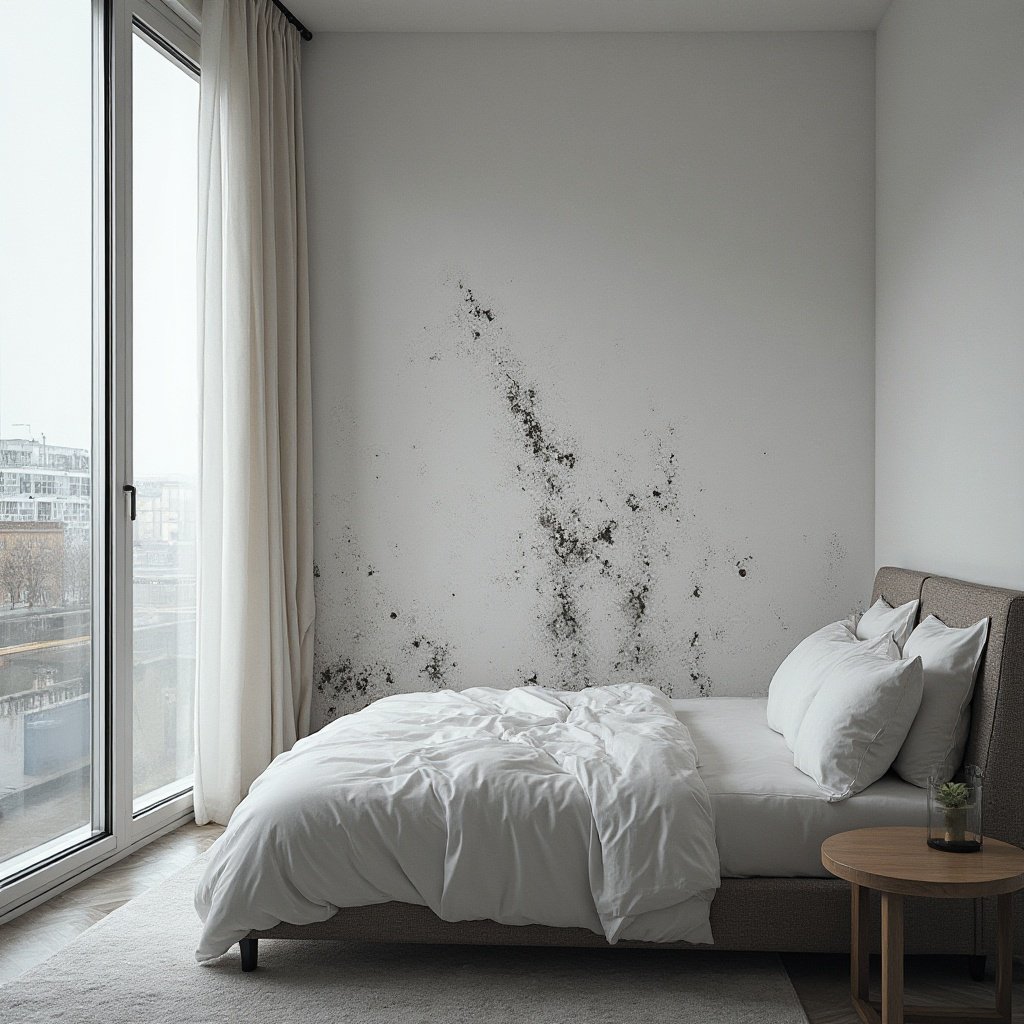
Why Bathroom Ceiling Mould Keeps Returning in London Properties
 5K+ projects done
Bathroom ceiling mould is rarely just a cosmetic issue. In many London homes, repeated mould growth on ceilings is usually linked to ongoing condensation, trapped steam, poor airflow, or hidden moisture problems that have not been properly addressed. Simply wiping the surface or repainting over the affected area often gives only temporary results, especially in bathrooms with limited ventilation or constant daily use.
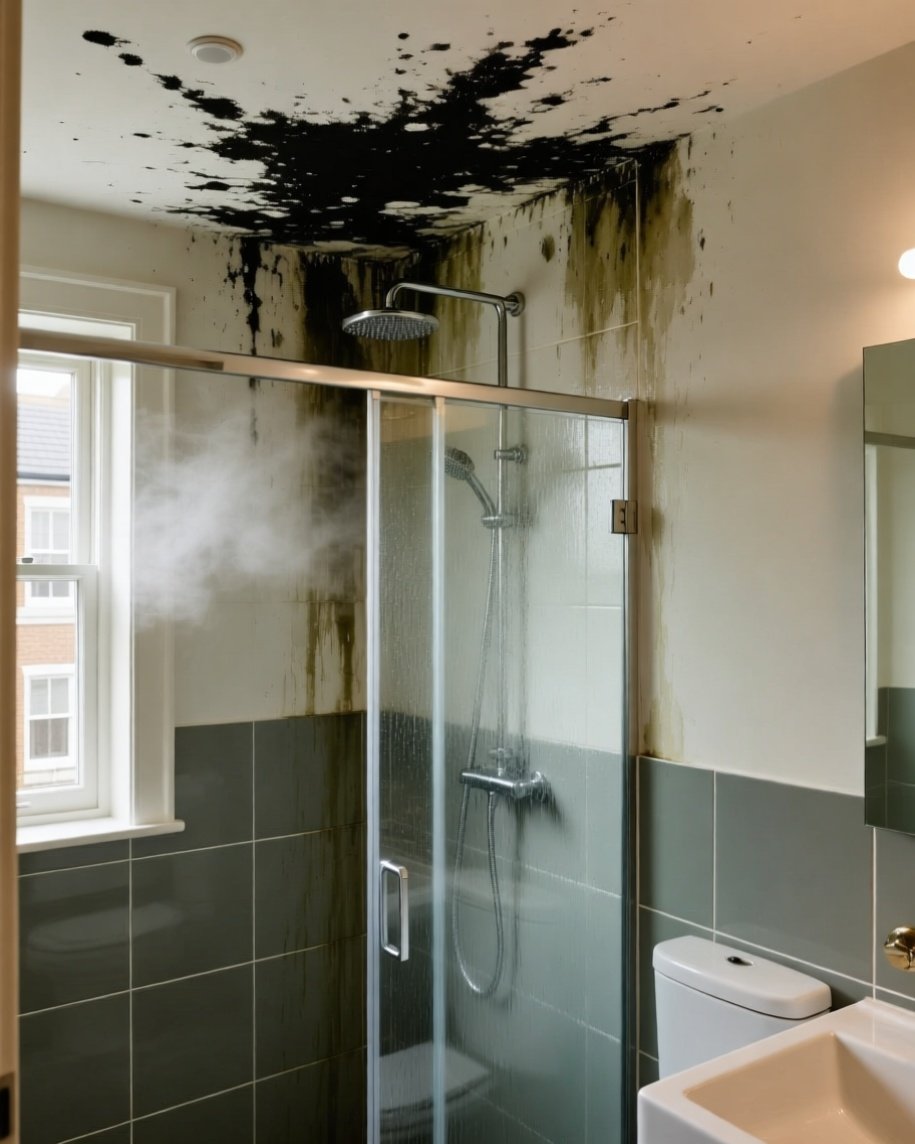
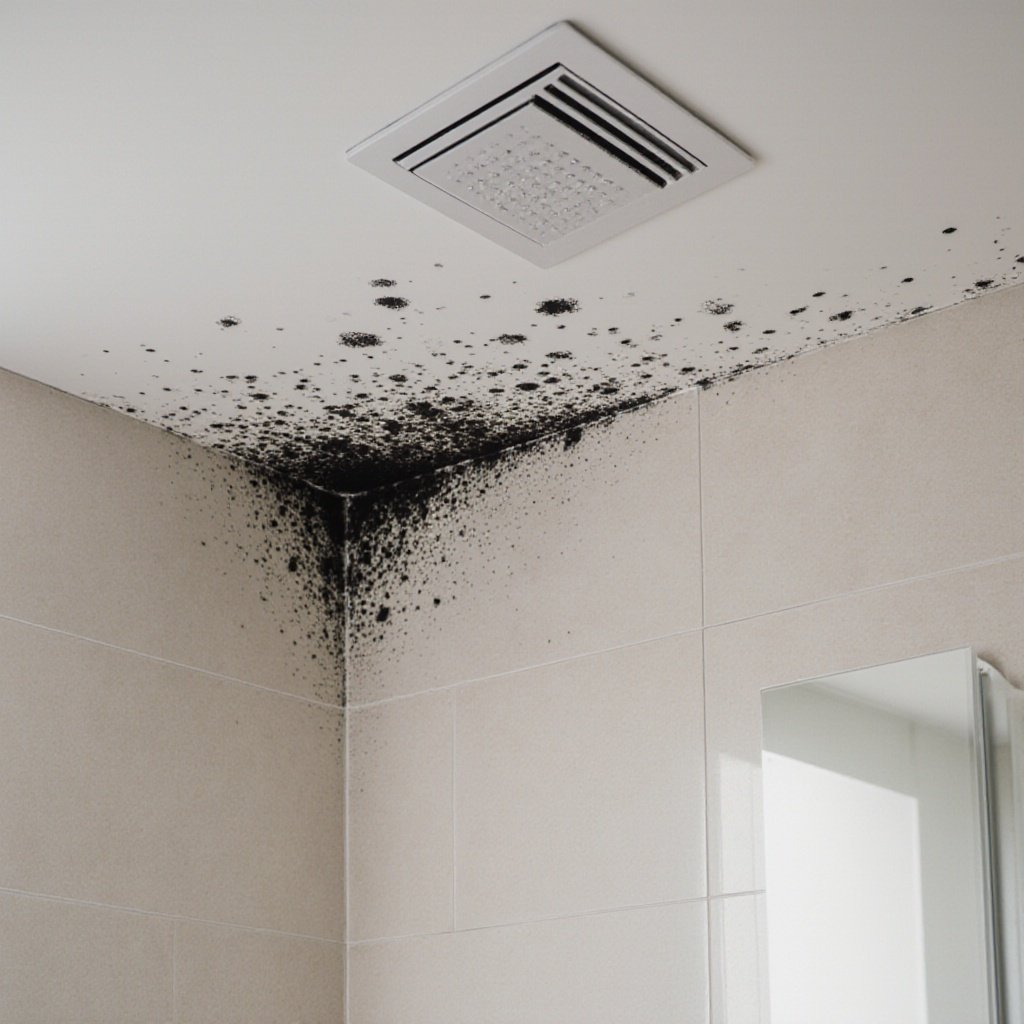
At Black Mould On Walls, we carry out professional bathroom ceiling mould removal with a focus on both treatment and prevention. Our team regularly works in flats, terraced houses, rental properties, loft conversions, and compact bathrooms where moisture levels rise quickly after showers or baths. In many cases, the mould starts appearing around ceiling corners, above showers, near extractor fans, or along colder ceiling sections where condensation settles most heavily.
Bathrooms are naturally humid environments, but problems become much worse when warm steam cannot escape properly. Older London properties often suffer from weak airflow, blocked extractor fans, insufficient insulation, or windows that are rarely opened during colder months. Over time, moisture settles into painted surfaces and plaster, allowing black mould spores to spread across ceilings and upper wall areas.
Our process includes inspecting the condition of the ceiling, checking surrounding areas for signs of damp or water ingress, and identifying what is causing the recurring moisture build-up. We then apply safe professional treatments designed to remove visible mould contamination while reducing the chance of rapid regrowth. Where needed, we also provide practical advice on improving airflow, reducing condensation, and managing humidity levels more effectively inside the bathroom.
Many customers contact Black Mould On Walls after noticing peeling paint, dark spotting above showers, musty smells, or mould spreading despite repeated cleaning attempts. Professional treatment helps restore the appearance of the ceiling while addressing the conditions that allowed the mould to develop in the first place.
What Our Customers Say About Our London Mould Removal Service
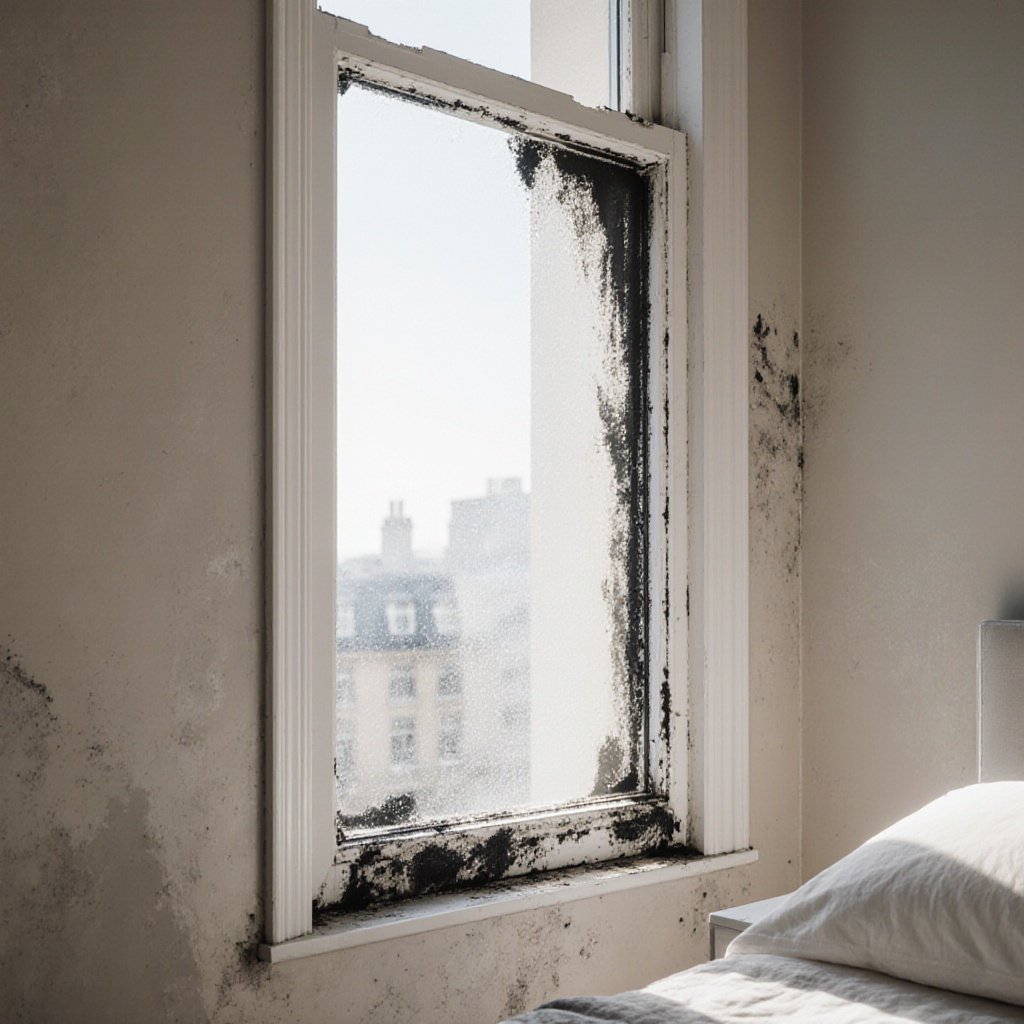
“The mould kept coming back around our bedroom windows every winter. They explained the condensation issue properly and treated the affected walls professionally. The room already feels much fresher.”

“Very impressed with the inspection and advice we received. They found moisture behind furniture that we completely missed and explained how to improve airflow in the flat.”
“We had black mould spreading in the bathroom ceiling and around the silicone edges. The treatment was done carefully and the difference afterwards was noticeable immediately.”
“Professional service from start to finish. They inspected the walls properly instead of just spraying over the mould like previous companies we tried before.”
“Helpful, knowledgeable, and realistic about the cause of the mould problem. They explained the ventilation issues clearly and gave practical advice we could actually follow.”
“Our tenant reported mould problems in two bedrooms and we needed someone reliable quickly. Communication was excellent and the property looked much better after the visit.”
Professional Bathroom Ceiling Mould Treatment for Homes and Flats
Every bathroom reacts differently to moisture, which is why proper inspection is important before carrying out any mould removal treatment. Some ceilings are affected mainly by heavy condensation after daily showers, while others may have underlying damp issues caused by leaking pipework, weak extraction systems, cracked grout, or poor insulation above the ceiling space. At Black Mould On Walls, we look at the full environment rather than treating only the visible staining.
In many London flats, bathrooms have little natural airflow and depend entirely on extractor fans that are either underpowered or no longer working correctly. This creates the perfect environment for black mould growth, especially during winter when windows stay closed and indoor humidity remains high throughout the day. Over time, moisture settles into painted ceilings, silicone edges, plasterboard joints, and textured surfaces where mould spores can spread quickly.
Our bathroom ceiling mould removal service is designed for both small localised patches and larger areas of contamination. We safely clean affected surfaces using professional-grade products suitable for indoor residential environments. Where paint has deteriorated or surfaces have become heavily stained, we explain what can realistically be restored and whether additional redecoration may be needed after treatment.
Landlords and managing agents also contact Black Mould On Walls for recurring mould issues inside rented properties where tenants repeatedly report ceiling staining, damp smells, or condensation damage. We help identify whether the issue is linked to ventilation habits, structural moisture problems, or ongoing humidity imbalance inside the property.
Ignoring bathroom ceiling mould can eventually lead to worsening surface damage, stronger odours, and wider spread into surrounding walls or window areas. Early treatment combined with practical moisture control advice is usually the most effective way to stop the problem becoming more severe.

Frequently Asked Questions About Black Mould Removal in London
Need Help With Black Mould on Your Walls?
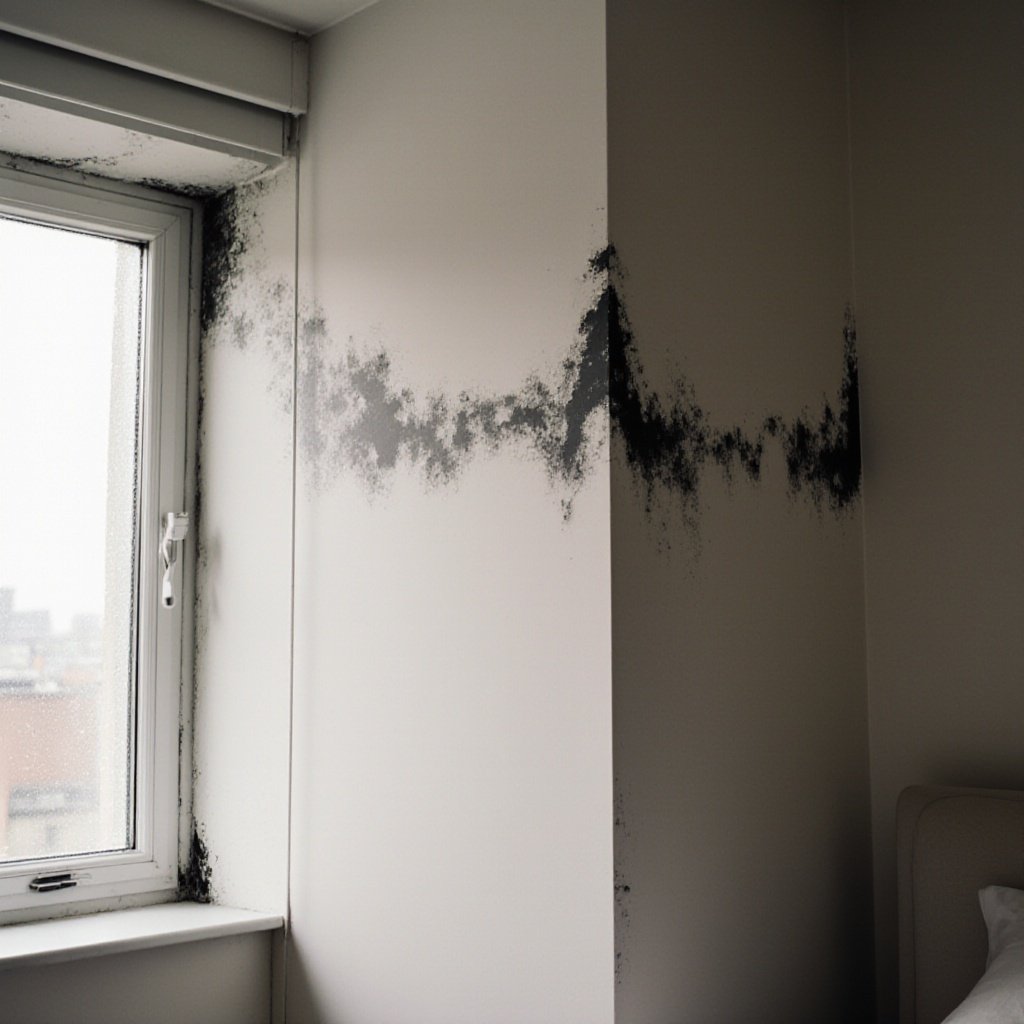
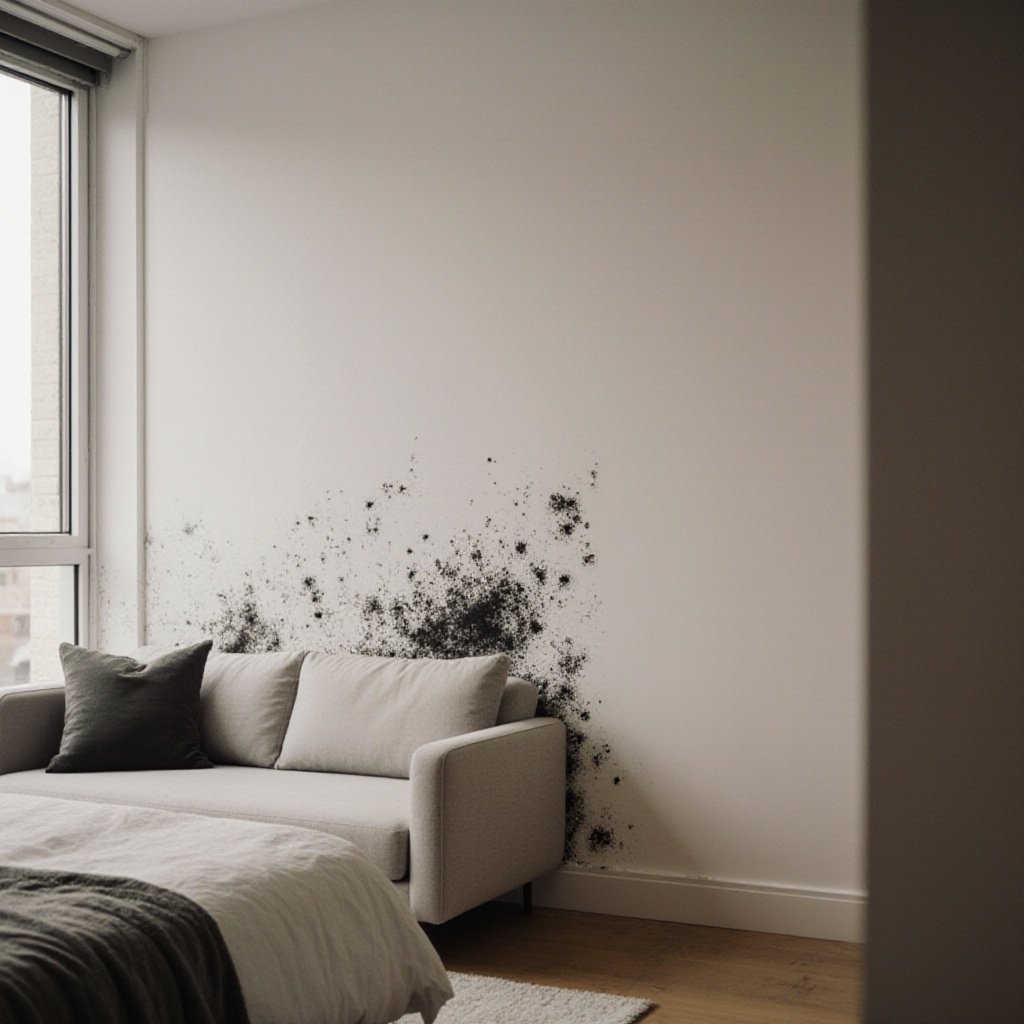
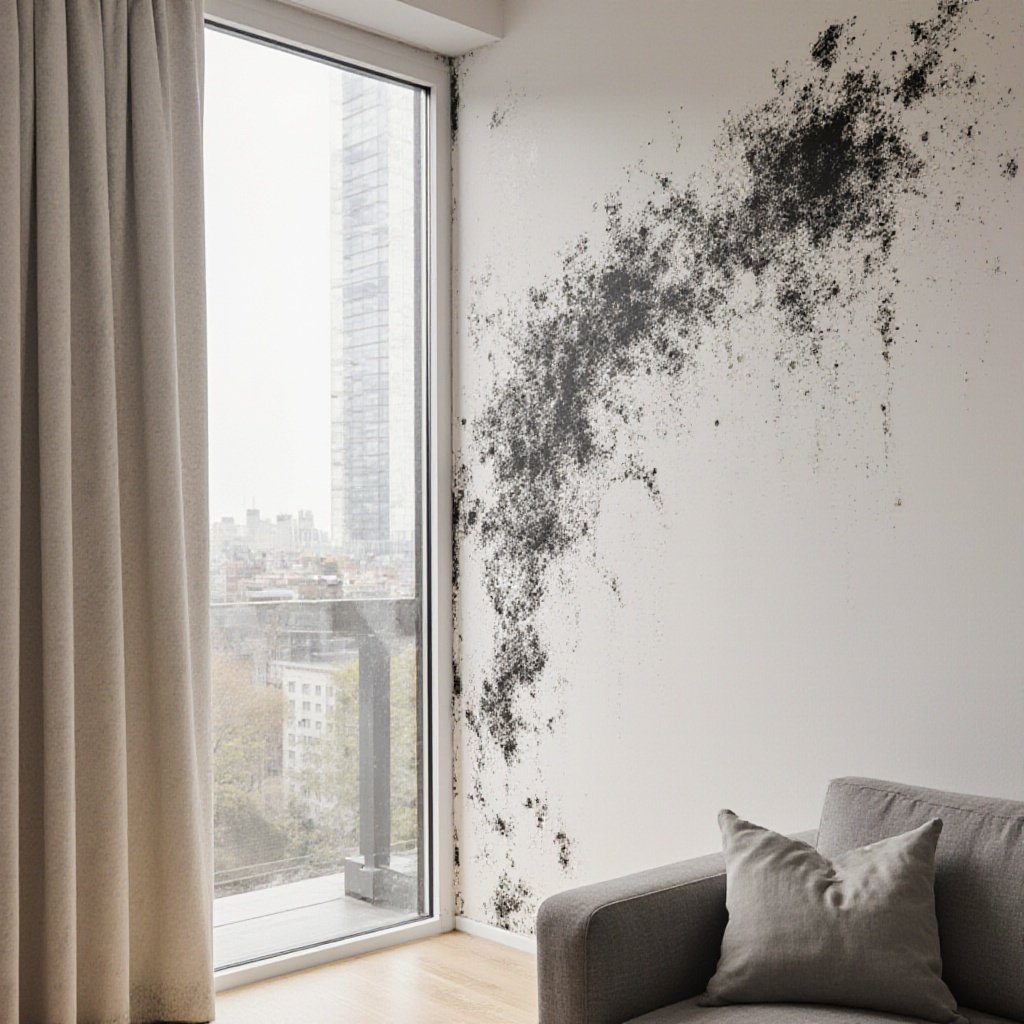
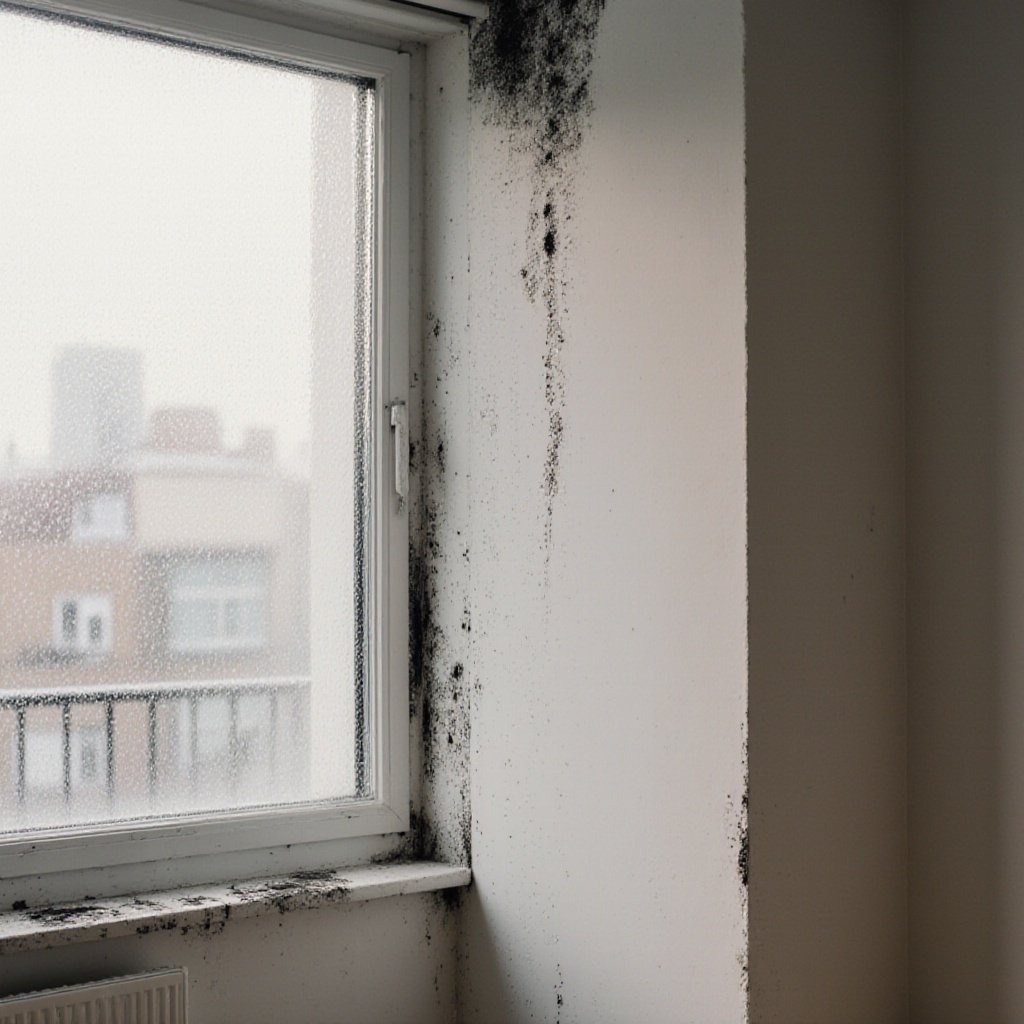
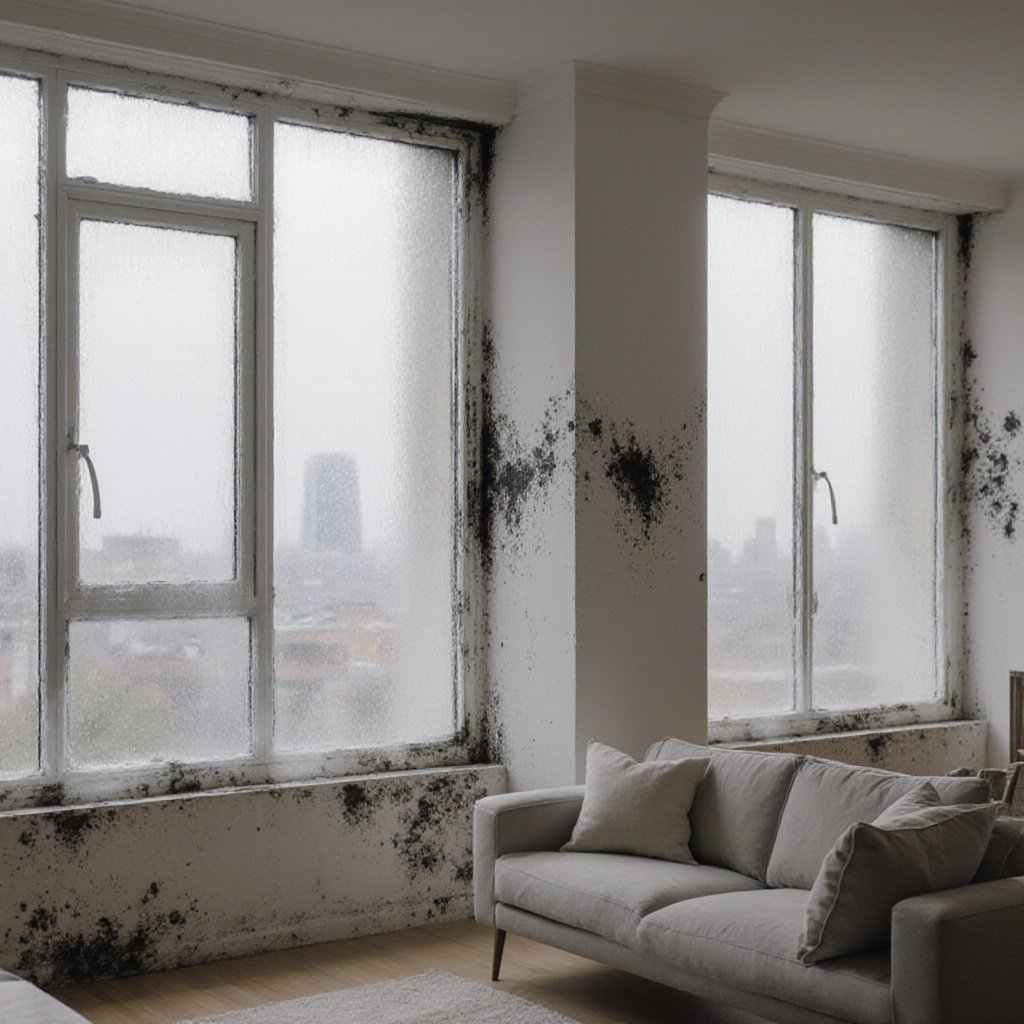
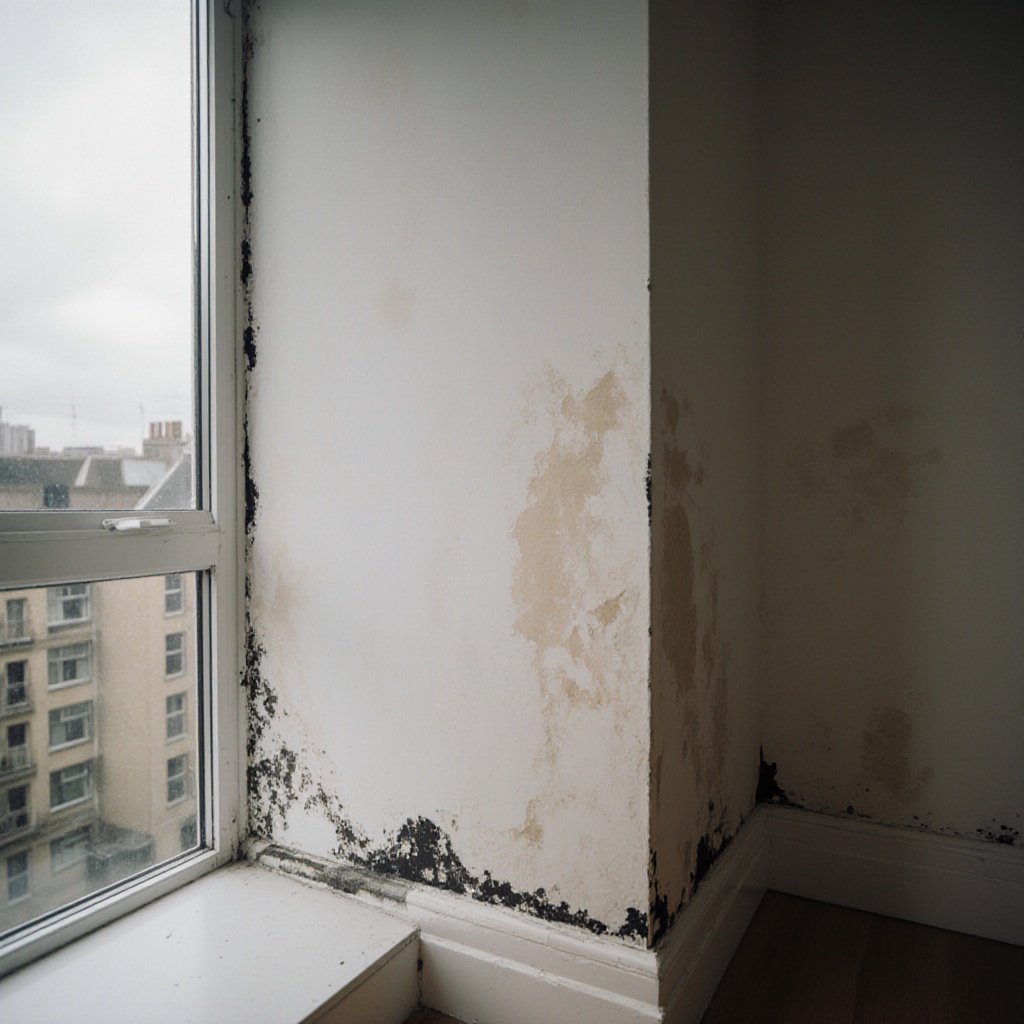
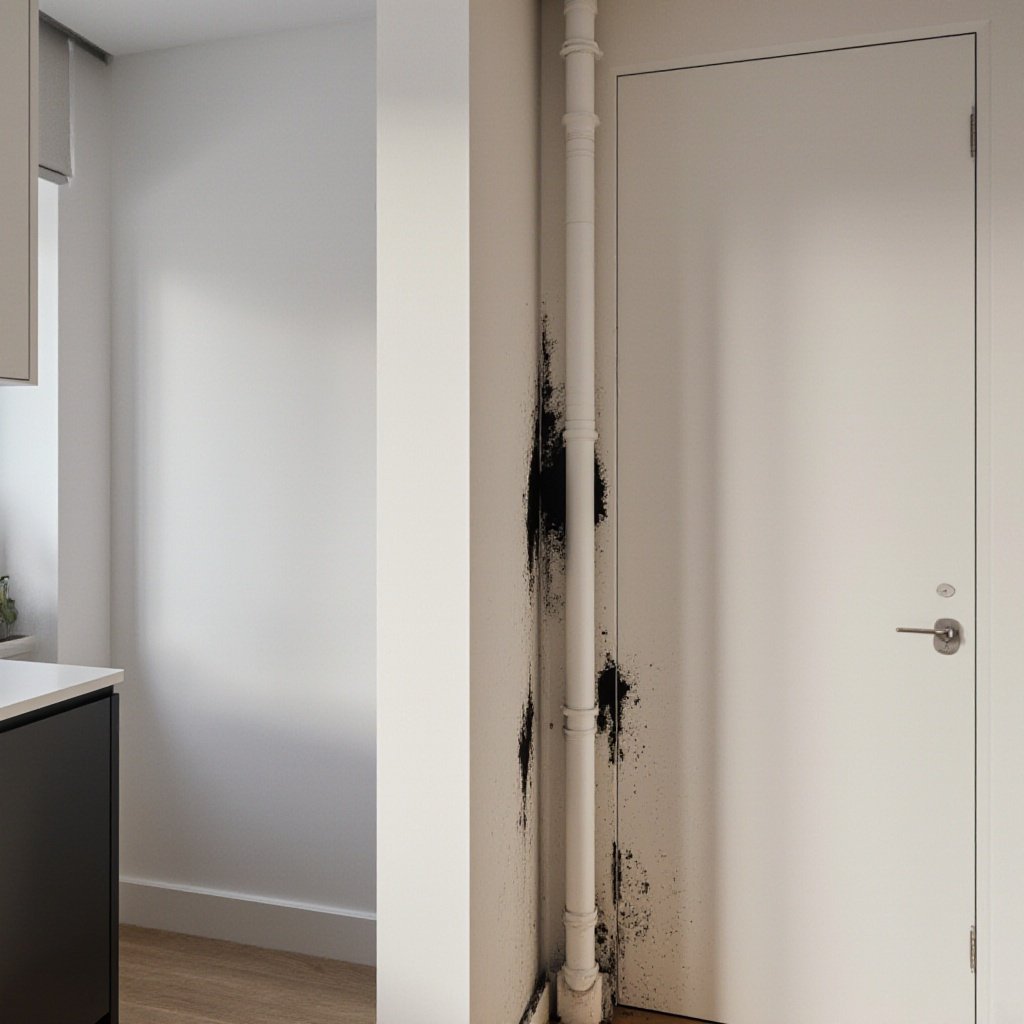
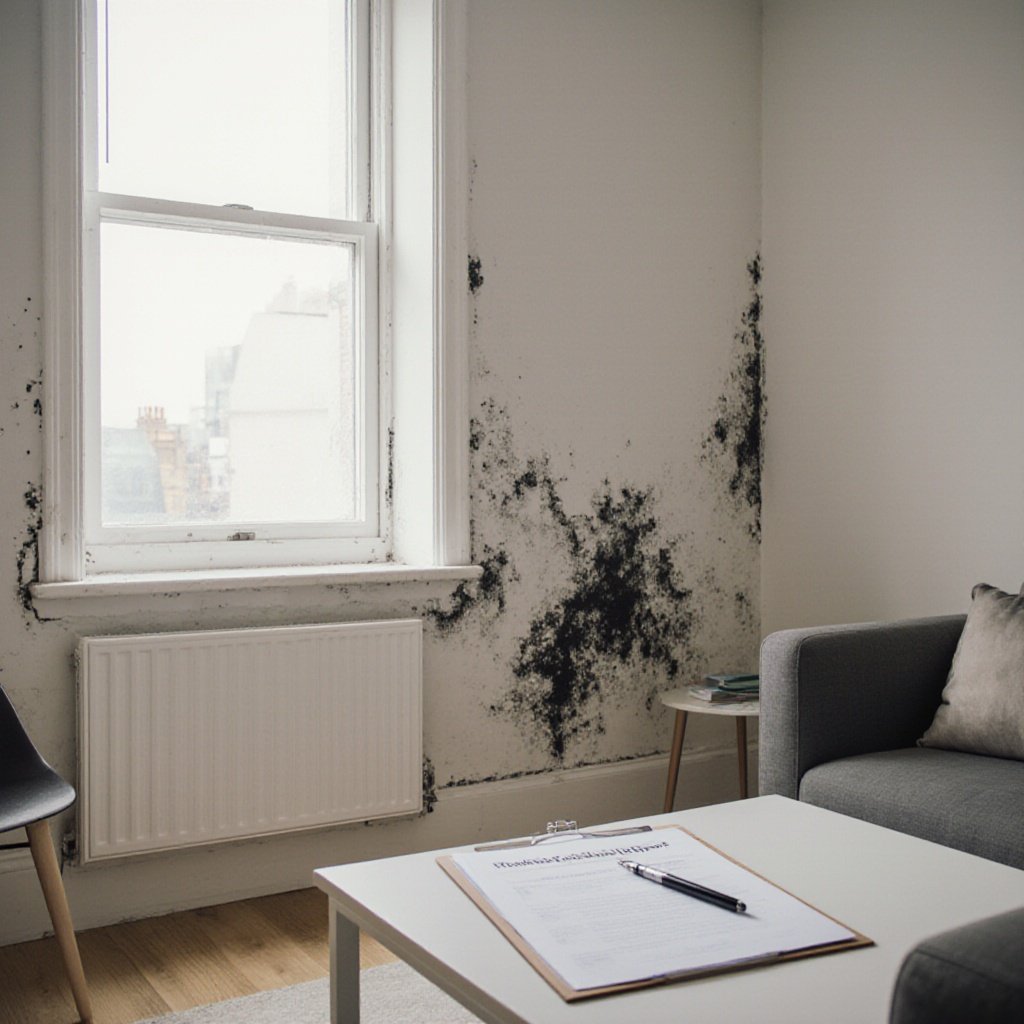
Black mould can spread quickly when moisture and condensation problems are left untreated. Our London mould specialists can inspect the affected areas, identify the cause of the issue, and recommend the right treatment for your property before the problem becomes worse. Whether you are dealing with mould around windows, damp bedroom walls, bathroom condensation, or recurring mould patches in a flat or house, we provide practical local support across Greater London.
Black Mould & Damp Investigation Services in London
Who We Are
At Black Mould on Walls, we specialise in helping homeowners, tenants, landlords, and property managers deal with ongoing black mould, damp, and condensation problems across London. Our focus is not only on removing visible mould growth, but also on understanding why the problem is happening inside the property in the first place. Many mould issues are linked to hidden moisture, poor ventilation, cold walls, leaking pipes, or long-term condensation that slowly builds up over time.
We work with a wide range of residential properties throughout Greater London including flats, apartments, terraced houses, Victorian homes, modern developments, and rental accommodation. Every property behaves differently depending on its age, insulation, airflow, heating habits, and overall condition, which is why we approach each mould problem individually rather than using the same solution everywhere.
Our team aims to provide practical, realistic, and straightforward advice that property owners can actually understand and use. We know that recurring mould can become frustrating, especially when it keeps returning after basic cleaning or temporary treatments. That is why our inspections focus on identifying contributing factors that may be causing excess moisture inside the property.
We believe professional mould removal services should combine proper investigation, effective treatment, and long-term prevention guidance. Whether the issue involves condensation around windows, mould behind furniture, damp bedroom walls, or moisture problems in bathrooms and kitchens, our goal is to help create a cleaner, safer, and healthier indoor environment for the people living in the property